
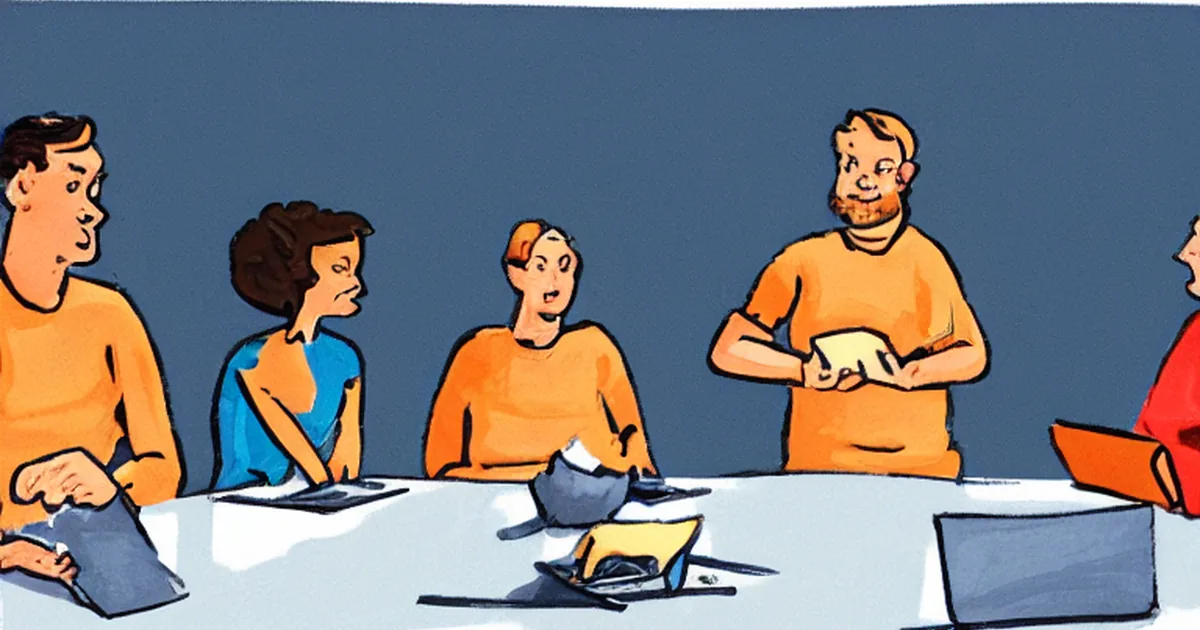
Trust: The Foundation for High-Performing Project Teams
PMBOK v8 Definition
Trust is a critical characteristic of high-performing project teams. According to PMBOK v8, a project team composed of members who trust one another is more willing to perform at a higher level to deliver success. People are less likely to do the extra work it may take to succeed if they do not trust their project team members, project manager, or the organization. Trust is identified as one of the key enabling behaviors for high-performing teams, alongside collaboration, adaptability, resilience, and empowerment.
Why It Matters for the Exam
Trust appears frequently in PMI exam questions about team performance, motivation, and project success factors. Questions typically present scenarios where team members withhold effort, resist collaboration, or fail to go beyond minimum requirements—and the root cause is lack of trust. You will see this concept tested in situational leadership questions, team development questions, and stakeholder management questions.
Key Points to Remember (for the exam)
-
Core Definition: Trust means team members believe in each other’s competence, reliability, and intentions—enabling them to take risks and do extra work for project success.
-
Direct Consequence: Without trust, people are less likely to do the extra work required for success. This is the exact PMBOK v8 statement you must memorize.
-
Trust Targets: Trust must exist toward three entities: project team members, the project manager, and the organization. A gap in any one area reduces team performance.
-
High-Performance Enabler: Trust is one of six key characteristics of high-performing teams: trust, collaboration, adaptability, resilience, empowerment, delegation, and autonomy.
-
Not Optional: Trust is not a “nice-to-have” soft skill—it is a prerequisite for team members to go beyond minimum effort and deliver exceptional results.
-
Common Confusion: Trust is often confused with “liking” someone. Reality: Trust is about reliability and competence, not personal friendship. Team members can trust someone they do not personally like.
-
Exam Angle: When you see a scenario where team members are not volunteering ideas, not helping each other, or doing only what is required—suspect a lack of trust as the root cause.
Typical PMI Exam Example
A project manager notices that team members are completing only their assigned tasks and refusing to help colleagues who are falling behind. When asked, one team member says, “I don’t trust that the project manager will give me credit for extra work.” According to PMBOK v8, what is the most likely impact of this situation? → People are less likely to do the extra work it may take to succeed if they do not trust their project manager.
PMI Exam Traps
-
Trap: Confusing trust with motivation theory (e.g., Maslow, Herzberg)
-
Reality: Trust is a specific team dynamic factor, not a general motivation theory. Trust directly enables discretionary effort.
-
Trap: Thinking trust only matters between team members
-
Reality: PMBOK v8 explicitly states trust must exist toward team members, the project manager, AND the organization.
-
Trap: Assuming trust automatically leads to high performance
-
Reality: Trust is necessary but not sufficient. High-performing teams also need collaboration, adaptability, resilience, and empowerment.
-
Trap: Treating trust as a one-time activity
-
Reality: Trust must be continuously built and maintained throughout the project lifecycle.
Important PMI Connections
| Related Concept | Relationship Type | Exam Attention Point |
|---|---|---|
| Collaboration | Complementary characteristic | Trust enables collaboration; without trust, teams work in silos or competitively |
| Resilience | Complementary characteristic | Trusting teams recover quickly from issues or failures because members support each other |
| Empowerment & Delegation | Enabling behavior | Trust is required before a project manager can effectively delegate and empower team members |
| Team Performance | Direct outcome | Trust directly determines whether team members will do extra work for project success |
Quick Review Questions
-
According to PMBOK v8, what are the three entities toward which team members must have trust to perform at a higher level?
-
A project team member consistently does only the minimum required work and refuses to take on additional tasks. What is the most likely root cause based on PMBOK v8?
-
Which of the following is NOT listed as a characteristic of high-performing teams in PMBOK v8: trust, collaboration, adaptability, competition, resilience, empowerment?
-
A project manager wants to increase team performance. According to PMBOK v8, what must exist before team members will willingly do extra work to succeed?
-
How does trust differ from “liking” someone in the context of project team performance?
PMBOK v8 Reference
Section 3.5 – High-Performing Teams (Characteristics and Enabling Behaviors)
This article is based exclusively on PMBOK v8 content provided in the RAG context. No external interpretations or additions have been included.